
The
human brain, with its intricate complexity and vast capabilities, has always
been a source of fascination for scientists and researchers. Over the years,
numerous advancements have been made in the field of neuroscience to better
understand the workings of the brain. Among these breakthroughs, one technology
stands out as a game-changer: Brain-O-Scope. This revolutionary innovation has
opened up new frontiers in exploring the human mind and unraveling its
mysteries.

Brain-O-Scope
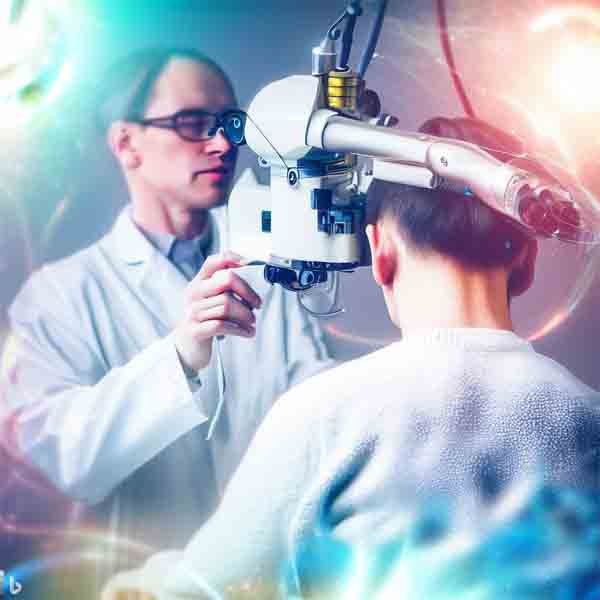
is not just another brain imaging technique; it is a paradigm shift in our
ability to observe and comprehend the brain’s inner workings. By combining
advanced sensors, imaging technologies, and real-time data analysis
capabilities, Brain-O-Scope provides unparalleled insights into the functioning
of the brain. It offers a non-invasive and highly precise means of capturing
brain activity, enabling researchers to gain a deeper understanding of
cognition, emotions, and neurological disorders.
Unlike
traditional imaging techniques such as fMRI or EEG, Brain-O-Scope provides a
comprehensive and real-time view of brain activity. By utilizing advanced
sensors that can capture the brain’s electrical signals and biochemical
responses, Brain-O-Scope can map neural networks and identify patterns of
activity with exceptional accuracy. This technology has revolutionized
neuroscience research by enabling scientists to explore the brain’s complexity
in unprecedented detail.
The
applications of Brain-O-Scope are far-reaching and hold immense potential for
scientific discovery and healthcare advancements. In the field of neuroscience
research, Brain-O-Scope has accelerated our understanding of brain function,
allowing us to delve into the intricacies of memory, attention, and
decision-making processes. Additionally, this technology has the potential to
transform the diagnosis and treatment of neurological disorders, paving the way
for more targeted therapies and personalized medicine approaches.
Another
fascinating application of Brain-O-Scope lies in the realm of
neurorehabilitation. By precisely monitoring brain activity during
rehabilitation programs, clinicians can tailor interventions to optimize
recovery and improve outcomes for patients with brain injuries or
neurodegenerative diseases. Furthermore, Brain-O-Scope holds promise in the
development of brain-computer interfaces, allowing individuals to control
external devices using their thoughts, thereby restoring independence to those
with physical limitations.
With
any groundbreaking technology comes the need for careful consideration of
ethical implications. Brain scope raises concerns about privacy and data
protection, as it captures highly sensitive information about an individual’s
brain activity. It is essential to establish robust ethical frameworks and
ensure responsible use to safeguard personal privacy and prevent any potential
misuse of this powerful technology.
The
future of Brain scope is filled with boundless possibilities. Ongoing research
aims to refine and enhance the technology, making it even more precise,
portable, and accessible. Collaborations between scientists, engineers, and
clinicians hold the potential for interdisciplinary breakthroughs,
revolutionizing our understanding of the brain and transforming healthcare
practices. The day may come when Brain-O-Scope becomes a standard tool in
medical diagnostics and neurological treatments.
Brain
scope has emerged as a revolutionary technology, providing unprecedented
insights into the enigmatic realm of the human brain. Its ability to observe
and decipher brain activity in real-time has propelled neuroscience research to
new heights. With the potential to reshape the diagnosis and treatment of
neurological disorders and unlock the secrets of human cognition, Brain-O-Scope
represents a remarkable leap forward in our quest to understand the intricacies
of the mind. As this technology continues to evolve, we can only begin to
imagine the vast possibilities that lie ahead in our exploration of the human
brain.