
In the realm of cancer treatment,
medical advancements have constantly sought to improve patient outcomes and
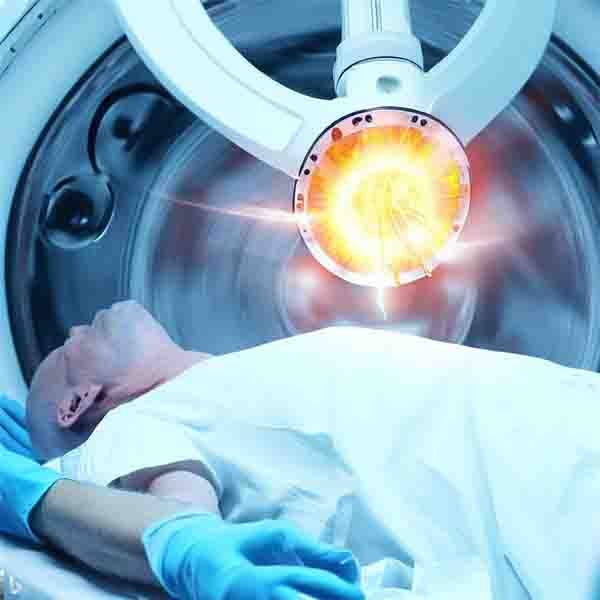
minimize side effects. Proton treatment, a form of particle therapy, has
emerged as a promising solution in the fight against cancer. This innovative
approach utilizes protons, tiny particles with unique properties, to deliver
targeted radiation directly to tumor cells while sparing healthy tissues.
Proton therapy offers a powerful and precise tool that has the potential to
revolutionize cancer care and significantly enhance the quality of life for
patients undergoing treatment.
How Proton Treatment Works
To understand the mechanics of
proton therapy, one must first grasp the nature of protons themselves. Protons
are positively charged particles found in the nucleus of atoms. Unlike
traditional radiation therapy, which uses X-rays or gamma rays that pass
through the body and deposit energy along their path, proton therapy involves
accelerating protons to high speeds and directing them precisely to the tumor
site.
The proton beam is carefully
shaped to match the size and shape of the tumor, allowing for optimal tumor
targeting. Once the protons reach the tumor, they deposit most of their energy
directly into the cancerous cells, delivering a higher radiation dose precisely
where it is needed. As a result, proton therapy minimizes exposure to
surrounding healthy tissues and vital organs, reducing the risk of collateral
damage and long-term side effects.
Advantages over Conventional Radiation Therapy
Proton therapy offers several
significant advantages over conventional radiation therapy, making it an
attractive option for specific cancer cases. Firstly, the ability to target
tumors with enhanced precision reduces the risk of damage to nearby critical structures,
such as the heart, lungs, and spinal cord. This precision is particularly
crucial for treating tumors located in sensitive areas or near vital organs.
Moreover, proton therapy is
highly effective in treating complex tumors with irregular shapes or those
located in difficult-to-reach areas. It is especially beneficial for treating
pediatric cancers, where preserving healthy tissues is vital to a child’s
long-term well-being. The ability to precisely target pediatric tumors enables
higher treatment doses, leading to improved outcomes with reduced long-term
side effects.
Benefits and Applications
1.Precise Tumor Targeting and
Reduced Side Effects
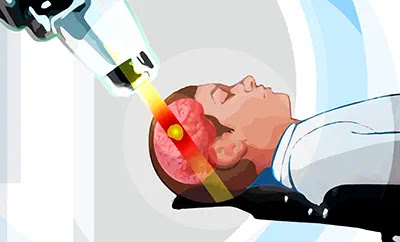
Proton treatment’s hallmark
feature is its ability to provide highly targeted radiation. This precision
allows for higher radiation doses to be delivered directly to the tumor,
maximizing its effectiveness while minimizing damage to surrounding tissues. As
a result, patients experience fewer acute and long-term side effects, leading
to an improved quality of life during and after treatment.
2.Treating Complex and Sensitive
Cases
Proton therapy is particularly
advantageous in treating tumors located in challenging or sensitive regions of
the body. For instance, brain tumors, spinal tumors, and prostate cancer cases
can benefit greatly from the ability to target tumors with millimeter
precision, thereby avoiding critical nearby structures.
3.Proton Therapy for Pediatric
Cancer Patients
Pediatric cancer patients stand
to gain the most from proton therapy. Children’s growing bodies are more
susceptible to the long-term effects of radiation, and preserving healthy
tissues is of paramount importance. Proton therapy’s ability to deliver targeted
radiation precisely to the tumor area offers hope for improved survival rates
and reduced long-term complications in young patients.
Future Prospects and Challenges
As proton therapy continues to
gain traction in the medical community, ongoing research and advancements are
essential to further optimize treatment outcomes. More clinical trials and
studies are needed to assess the long-term efficacy and compare the benefits of
proton therapy with conventional treatments in various cancer types.
One of the primary challenges
faced in the widespread adoption of proton therapy is accessibility. Currently,
there are a limited number of proton therapy centers worldwide, and the cost of
building and operating such facilities can be significant. As research and
technology continue to advance, efforts to expand access to proton therapy must
be a priority to ensure that more patients can benefit from this transformative
treatment.
Integrating Proton Therapy into Mainstream Cancer Care
As proton therapy evolves, its
integration into mainstream cancer care becomes increasingly important.
Collaborations between healthcare providers, research institutions, and
insurance providers are essential to support the expansion of proton therapy
centers and improve patient access. Additionally, education and awareness among
healthcare professionals and patients will help ensure that proton therapy is
considered as a viable treatment option for appropriate cases.
Proton treatment has emerged as a
precise and powerful therapy in the fight against cancer. Its ability to
deliver targeted radiation directly to tumors while sparing healthy tissues
offers hope for improved outcomes and reduced side effects in cancer patients.
Proton therapy represents a transformative approach that holds the potential to
revolutionize cancer care, especially in cases where precision is paramount,
such as pediatric cancers and complex tumors.
As research and technology
continue to advance, and accessibility to proton therapy centers expands, this
innovative treatment will likely become an integral part of mainstream cancer
care. By harnessing the power of protons, medical professionals are poised to
usher in a new era of cancer treatment that emphasizes improved quality of life
and better long-term outcomes for patients facing this formidable disease.