This question has been posed for centuries, if not since the beginning of our known existence. When we look up at the vast, twinkling expanse of the night sky, we cannot help but wonder if anything—or anyone—is looking back at us.
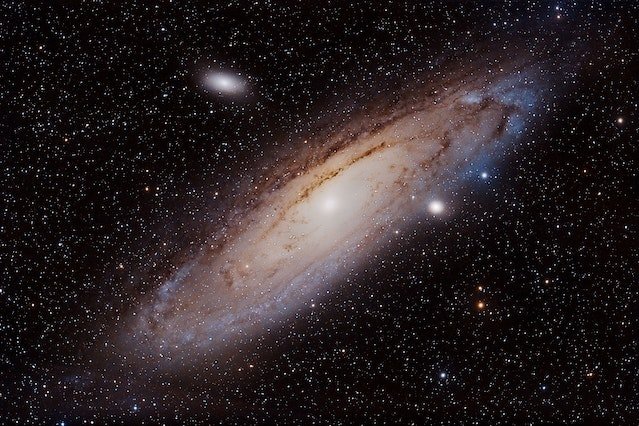
With billions of galaxies stretching out into the dark, it feels mathematically impossible for us to be alone in this universe. But while we wait for official confirmation from the cosmos, millions of everyday people are looking up and seeing things they simply cannot explain.
Over the decades, historical databases compiled by groups like the National UFO Reporting Center (NUFORC) have documented over 180,000 UFO and UAP sightings nationwide. But where do most of these mysterious encounters actually happen?
Total Volume vs. Per Capita Leaders
When looking at the raw numbers, heavily populated states naturally lead the way. California easily leads the nation by a wide margin, racking up tens of thousands of historical reports. Florida, Texas, and New York also pull in massive totals simply because they have millions of residents.
However, the picture changes completely when we adjust for population density. When we look at sightings per 100,000 residents, smaller or northern states take the absolute crown. Washington state consistently ranks at or near the very top of the list, boasting roughly 88 sightings per 100,000 residents.
Other heavy-hitters per capita include Vermont, Montana, Maine, and New Hampshire. An intriguing narrative developed rapidly around these unexpected regions, proving that you do not need a massive population to spark intense cosmic curiosity.
The Historic Roots of Washington State’s Skies
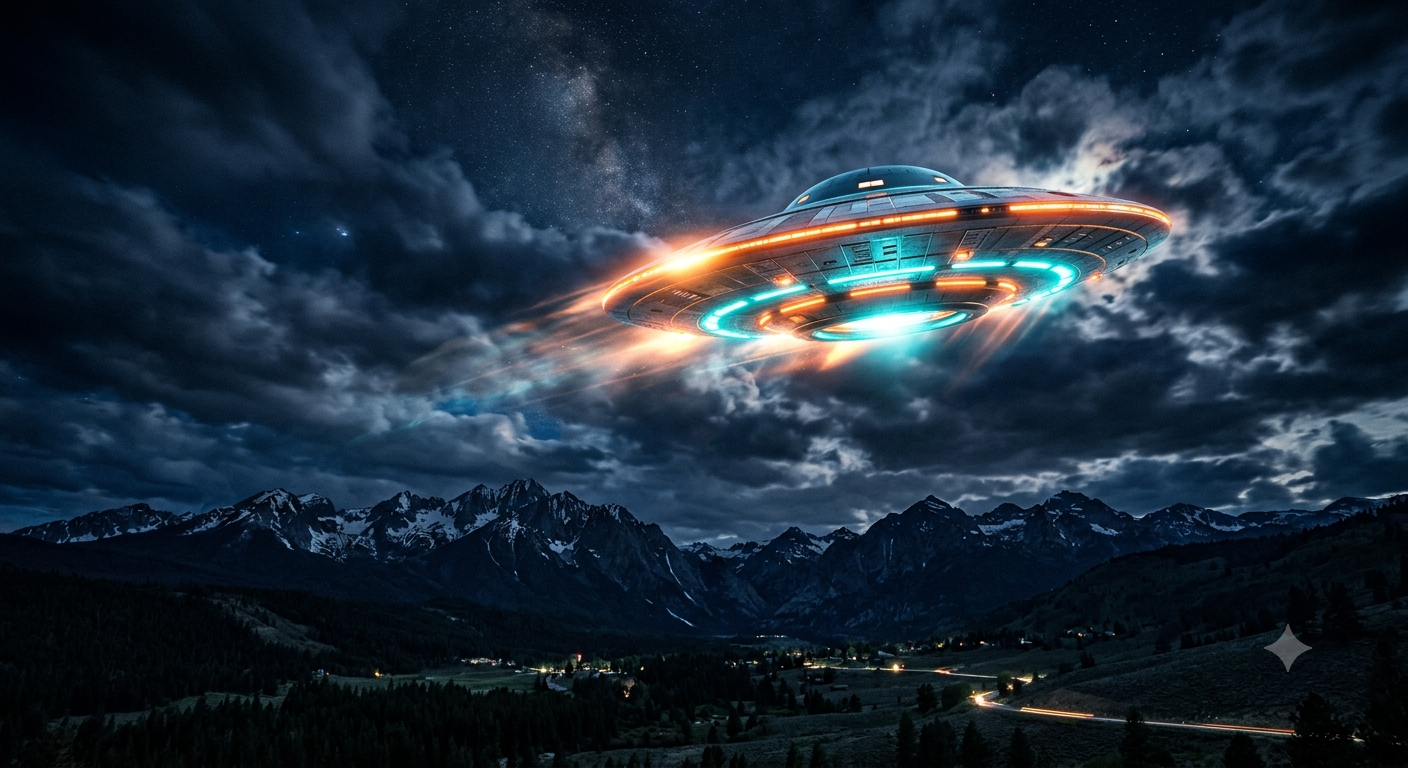
Washington’s impressive sighting rate is deeply tied to modern UFO lore. On June 24, 1947, a private pilot named Kenneth Arnold reported seeing a string of nine high-speed, shiny objects flying near Mount Rainier.
His famous description of the objects skipping across the sky like saucers famously coined the term “flying saucer.” Ever since that fateful summer day, the Pacific Northwest has remained a legendary hotspot for anomaly hunters and skywatchers alike.
Why Do Smaller States Rank So High?
You might wonder why rural states like Vermont and Montana rank so shockingly high per capita. The answer largely comes down to math and geography. Lower baseline populations mean that even a moderate number of unusual sky reports will skew dramatically higher when calculated per 100,000 residents.
Furthermore, these rural states boast exceptionally dark skies with minimal light pollution. When you remove city glare, unusual aerial lights stand out starkly against the horizon.
Of course, researchers also point out that high-volume sighting areas can correlate with heavy air traffic, major military installations, and aerospace testing grounds. Clear desert and mountain skies simply make ordinary objects—like Starlink satellites, commercial drones, and weather balloons—much easier to spot.
Recent Shifts and Government Disclosure
For many years, one of the most intriguing tales out there has been the quiet dismissal of civilian reports. But times have changed dramatically over the last few years.
Following historic congressional hearings, Pentagon disclosures, and the launch of crowdsourced reporting apps like Enigma Labs, public reporting has grown much more systematic. The government’s official transition from the term “UFO” to “UAP” (Unidentified Anomalous Phenomena) has finally helped destigmatize reporting among commercial and military pilots.
Tips for Aspiring Skywatchers
If you want to join the ranks of modern skywatchers, data trends show that July consistently registers the highest volume of monthly reports. This is largely driven by clear summer night skies, outdoor camping, and stargazing events.
Before you file a report on a sighting app, always run through a quick rule-out checklist:
- Check satellite tracker apps to rule out SpaceX Starlink trains or the International Space Station.
- Look at commercial flight radar apps to identify passing aircraft.
- Keep local weather balloon launch schedules in mind.
If you head out into the dark skies of Washington, Montana, or your own local backyard, keep an open mind and a watchful eye. We may not have all the answers just yet, but the universe is waiting.