
Drinking Lemon Water Transforms Your Health

1. Lemon Water clears up blemishes. Water by itself can help keep your kidneys, liver, and other organs doing their jobs well. The kidneys and liver flush out toxins naturally, and the more effectively they work, the better off your skin will be. Vitamin C also functions as an antioxidant, keeping your skin young and radiant. 2. Lemon water balances your body’s pH. You may think of citrus as having an acidic nature to it, but it has an alkalizing effect on our bodies. This helps prevent pathogens from surviving. 3. Lemon water boosts the immune system. By weight, your immune cells are about 70% vitamin C. When you’re sick, vitamin C gets depleted quickly. Even when healthy, it’s important to get adequate amounts of vitamin C. 4. Lemon water helps you lose weight. Drinking lemon water boosts your metabolism and improves digestion. It can also help curb hunger, which is great for your weight loss goals. 5. Lemon water helps you kick the hangover. Before it even starts, drink some lemon water. It helps soothe your stomach and hot water in particular can act as an antiseptic to help detox your body. 6. Lemon water freshens your breath. Which is just delightful. It’s especially effective if you smoke cigarettes. Also, if you smoke cigarettes, quit. 7. Lemon water boosts your brain power! Lemon water contains potassium. Low levels of potassium is linked to depression, anxiety, forgetfulness and brain fog. 8. Lemon water keeps your lungs healthy. If asthma, infections, or other lung diseases plague you, lemon water can help alleviate or fix these problems. It’s a helpful remedy for sick lungs. 9. Lemon water keeps your gut healthy. Water is important for digestion, as it allows your intestines to move your fecal matter along. Lemon eases stomach aches and helps your body break down your food. 10. Lemon water just keeps you healthier overall. Big picture: it’s important for your good health to remain hydrated. The lemon is the icing on this healthy cake. For all the reasons above, I’d say it’s worth a try. Be sure you’re squeezing juice from fresh organic lemons, not store bought lemon juice from concentrate. (function(i,s,o,g,r,a,m){i[‘GoogleAnalyticsObject’]=r;i[r]=i[r]||function(){ (i[r].q=i[r].q||[]).push(arguments)},i[r].l=1*new Date();a=s.createElement(o), m=s.getElementsByTagName(o)[0];a.async=1;a.src=g;m.parentNode.insertBefore(a,m) })(window,document,’script’,’//www.google-analytics.com/analytics.js’,’ga’); ga(‘create’, ‘UA-64446598-1’, ‘auto’); ga(‘send’, ‘pageview’);
Women’s Day Special – Top 10 Richest Women in the World

1. Francoise Bettencourt Meyers: Francoise Bettencourt Meyers is the richest woman in the world with a net worth of $59.4 billion. She is the heiress to the L‘Oreal cosmetics fortune and is the daughter of Liliane Bettencourt, the company‘s founder. Francoise is a major shareholder in L‘Oreal and has played a role in the company‘s growth and success over the years. 2. Alice Walton: Alice Walton is the second wealthiest woman in the world with a net worth of $54.4 billion. She is the daughter of Wal–Mart founder Sam Walton and is the heiress to the Walton family fortune. Alice is the chairwoman of the Crystal Bridges Museum of American Art in Bentonville, Arkansas, and is an art collector and philanthropist. 3. MacKenzie Scott: MacKenzie Scott is the third wealthiest woman in the world with a net worth of $53.5 billion. She is the ex–wife of Amazon founder and CEO Jeff Bezos and has become a philanthropist since their divorce. Scott has donated billions of dollars to charitable causes and has signed the Giving Pledge, a commitment by billionaires to give away the majority of theircontinue wealth. 4. Julia Koch: Julia Koch is the fourth wealthiest woman in the world with a net worth of $44.3 billion. She is the widow of David Koch, the co–founder of Koch Industries. Julia inherited her husband‘s fortune upon his death and is now the chairwoman of the David H. Koch Charitable Foundation. 5. Susanne Klatten: Susanne Klatten is the fifth wealthiest woman in the world with a net worth of $18.3 billion. She is the heiress to the BMW fortune and is the daughter of Herbert and Johanna Quandt. Klatten is the chairwoman of the family’s investment vehicle, the Quandt Group, and is also a major shareholder in BMW. 6. Laurene Powell Jobs: Laurene Powell Jobs is the sixth wealthiest woman in the world with a net worth of $18.2 billion. She is the widow of Apple co–founder Steve Jobs and has since become a philanthropist. Jobs is the founder of the Emerson Collective, a social impact organization that works to advance social justice and economic opportunity. 7. Iris Fontbona: Iris Fontbona is the seventh wealthiest woman in the world with a net worth ofcontinue $17.2 billion. She is the widow of the late Andronico Luksic, the founder of Antofagasta, one of the world’s largest copper miners. Fontbona is now the chairwoman of the family’s investment vehicle, the Luksic Group, and is a major shareholder in Antofagasta. 8. Georgina Bloomberg: Georgina Bloomberg is the eighth wealthiest woman in the world with a net worth of $14.4 billion. She is the daughter of former New York City mayor and billionaire Michael Bloomberg. Georgina is a philanthropist and animal rights activist, and is the founder of the animal welfare charity the Robin Hood Foundation. 9. Abigail Johnson: Abigail Johnson is the ninth wealthiest woman in the world with a net worth of $13.4 billion. She is the heiress to the Fidelity Investments fortune and is the granddaughter of the company’s founder, Edward Johnson II. Johnson is the chairman and CEO of Fidelity and is a major shareholder in the company. 10. Charlene de Carvalho–Heineken: Charlene de Carvalho–Heineken is the tenth wealthiest woman in the world with acontinue net worth of $12.2 billion. She is the heiress to the Heineken beer fortune and is the daughter of Freddy Heineken, the company’s former chairman. De Carvalho–Heineken is a major shareholder in Heineken and is the chairwoman of the Heineken Holding company.
Preparing for the Heat: What to Know About Increasing Temperatures in India During February

As India moves out of winter and into spring, February often brings with it an increase in temperatures across the country. For many parts of India, February is when the weather starts to get noticeably warmer, while other regions may experience a more gradual change. A combination of higher temperatures and intense sunshine can make the month a challenging time for those living in some of the country’s hotter areas. The average temperature in India during February ranges from around 20–30°C (68–86°F), with the highest temperatures reaching up to 40°C (104°F). Some of the hottest places in India during February are the cities of Delhi, Jaipur and Hyderabad. In the southernmost states, such as Kerala and Tamil Nadu, temperatures can reach up to 34–36°C (93–96°F). Humidity is a common factor across India during February and can make the heat feel even more intense. The highest levels of humidity occur in the coastal regions and the states of Gujarat and Rajasthan. One of the main causes of this increased heat is the dry and dusty winds known as the ‘loo’. These winds blow through the northern parts of India and can increase the temperature by up to rise as it moves closer to the equator. As the temperature continues to rise, the health risks associated with excessive heat must not be underestimated. Heat-related health problems can range from mild discomfort to serious medical conditions such as heat exhaustion and heat stroke. Those who are prone to allergies may also find that their symptoms worsen in the heat. It is important for people to take precautions to protect themselves from the sun, such as wearing light clothing and using sunscreen, and to stay hydrated. In addition to the heat, February can also bring with it dust storms and poor air quality in some areas. This can be especially dangerous for those with respiratory conditions, so it is important to stay informed and take steps to protect against any potential risks. Overall, while India’s temperatures can rise significantly during February, there are several measures that can be taken to protect against any potential health risks. By taking the necessary precautions and being aware of the potential risks associated with the heat, people can make sure that they remain safe and healthy during the hot summer months. As global temperatures rise, India is already feeling the effects of climate change. While February is usually the hottest month of the year in India, this is expected to become more extreme in the coming years as temperatures continue to increase. The rising temperatures can have a major impact on India’s crops. Crops are especially vulnerable during the hot summer months when the temperatures are highest, and this is compounded by the fact that India is already experiencing longer and more intense droughts. This can result in crop failures, which in turn can lead to food shortages and poor nutrition. The increasing heat in February is also likely to have an effect on India’s water resources. Higher temperatures can cause water to evaporate more quickly, leading to water shortages and an increased risk of drought. This can be especially problematic in areas that are already prone to water shortages, such as the Thar Desert in Rajasthan. Overall, while India’s temperatures can rise significantly during February, there are several measures that can be taken to protect against any potential health risks. By taking the necessary precautions and being aware of the potential risks associated with the heat, people can make sure that they remain safe and healthy during the hot summer months. the increasing heat in India during February is a cause for concern and highlights the need for urgent action to tackle climate change. As temperatures continue to rise, it is important that India takes steps to protect its crops, water resources and people from the effects of climate change.
Exploring the Ethical Implications of the first human-monkey hybrid embryo

The news of the first human–monkey hybrid embryo created in a laboratory has sent shockwaves around the world. Scientists in China have successfully fused human stem cells with monkey embryos, creating a unique hybrid embryo that is part human and part monkey. The groundbreaking research, which was conducted at the Chinese Academy of Sciences in Shanghai, has sparked debate and controversy due to its implications for the ethical boundaries of science. The hybrid embryo was created by injecting human stem cells into a monkey embryo. The human stem cells were modified to be compatible with the monkey’s genetic material, and they were then integrated into the embryo. The hybrid embryo was allowed to develop for several weeks before it was terminated. The scientists behind the research believe that the hybrid embryo could one day be used to create animal–human chimeras, which are organisms that contain both human and animal cells. The research could also be used to create animals with human organs for use in transplant operations, and it could even pave the way for human–monkey hybrids to be created. The research has been met with both praise and criticism from the scientific community. Some have praised the research as an incredible breakthrough that could have major implications for medical research and organ transplants. Others, however, have been highly critical of the research, arguing that it crosses an ethical boundary and could lead to the creation of “Frankenstein” creatures. The ethical implications of the research are also being questioned by religious and moral leaders. Some religious leaders have argued that creating human-monkey hybrids is playing God, while others have argued that it is a violation of the sanctity of life. Despite these ethical concerns, the research is moving forward, and the scientists involved are confident that they are on the right track. The research is still in its early stages, and the scientists involved have stressed that their work is focused on medical applications and not human-monkey hybrids. They have also noted that the hybrid embryos created to date have not been allowed to develop past the early stages. In the future, the research could have major implications for medical research and organ transplants. It could also lead to the creation of animal-human chimeras, which could have a variety of potential applications. However, it is important to remember that the research is still in its early stages, and much more work needs to be done before any of these applications can be realized.
Drinking Adequate Water: Essential Benefits for Health
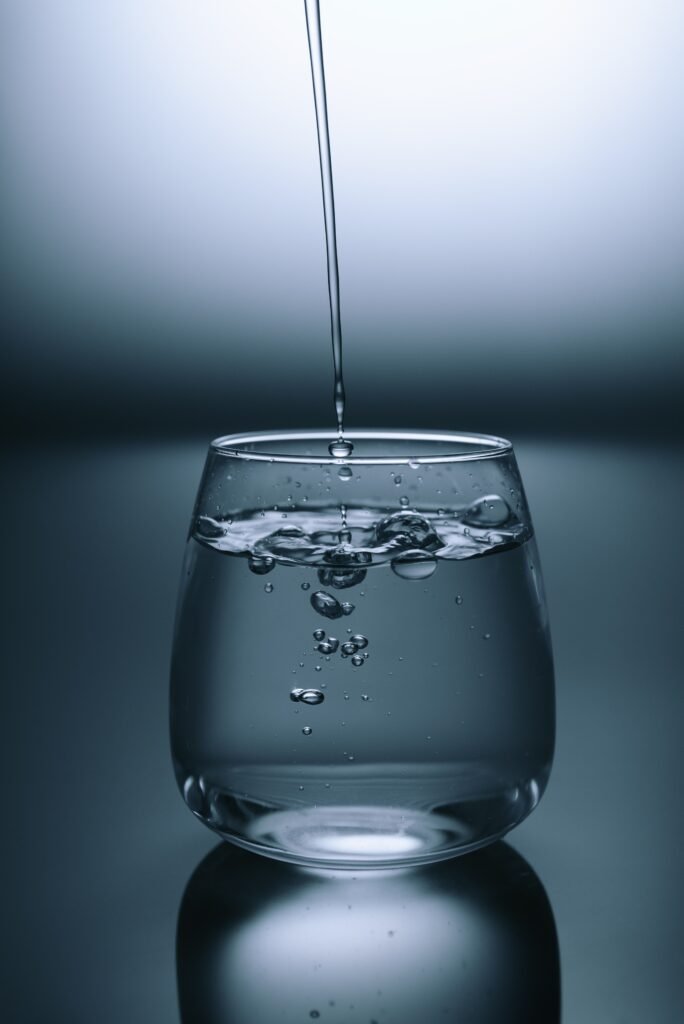
Water is essential for life on Earth and to maintain good health. Every organ in the body and every metabolic process requires water for optimal functioning. The human body is made up of about 60-70% water, and the amount of water we need to drink each day depends on our size, gender, activity level, and the climate we live in. It’s recommended that adults drink at least 8 glasses of water per day, but many people do not consume enough water. This article will explore the essential health benefits of drinking adequate water. First and foremost, water helps to keep our bodies hydrated. We lose water through sweat, urine, and even our breath. Dehydration can cause fatigue, headaches, dry skin, constipation, and other health issues. Drinking enough water helps to keep our cells hydrated, which helps to maintain normal body functions. It also helps to flush out toxins and waste products from the body. Water is essential for digestion and metabolism. It helps to break down the food we eat, and aids in the absorption of nutrients from food. Water is also necessary for the production of hormones and enzymes, which are necessary for many metabolic functions in the body. Additionally, water helps to lubricate the joints, which helps to reduce the risk of arthritis. In addition to aiding digestion and metabolism, water helps to improve cognitive function. It helps to improve focus and concentration, as well as memory. Drinking adequate amounts of water can also help to reduce stress and improve mood. Water is essential for the health of our skin. It helps to keep the skin hydrated, which helps to prevent wrinkles and other signs of aging. It also helps to flush out toxins from the skin and keep it looking healthy. Experts recommend that adults drink at least 8 glasses of water per day to remain properly hydrated. This amount can vary depending on individual needs, such as size, gender, activity level, and climate. It’s also important to drink water throughout the day, rather than all at once. If a person tends to drink too little water, they may find it helpful to set reminders or drink from a larger water bottle. In addition to drinking enough water, it’s important to eat foods that are high in water content. These include fruits, vegetables, and other sources of fiber. Eating these foods can help to replace lost fluids and improve hydration. It’s also important to avoid dehydration by avoiding caffeine and alcohol, as these can cause dehydration. Finally, it’s important to talk to a doctor if a person is experiencing severe symptoms of dehydration, such as dizziness, confusion, or fainting. These symptoms may indicate a more serious medical condition and require medical attention. It’s also important to talk to a doctor if a person notices any changes in their urine color or consistency, as this can indicate a medical condition. Finally, drinking enough water can help to maintain a healthy weight. It can help to reduce food cravings, as well as reduce the risk of overeating. It can also help to reduce the risk of kidney stones and urinary tract infections. In conclusion, drinking adequate amounts of water is essential for good health. It helps to keep our bodies hydrated, aids in digestion and metabolism, improves cognitive function, helps to maintain healthy skin, and can help to maintain a healthy weight. It’s recommended that adults drink at least 8 glasses of water per day, but the exact amount of water will depend on individual needs. Staying hydrated is important for overall health and wellbeing.
Fight Against Covid, India has new Vaccines and Drugs in the Battlefield
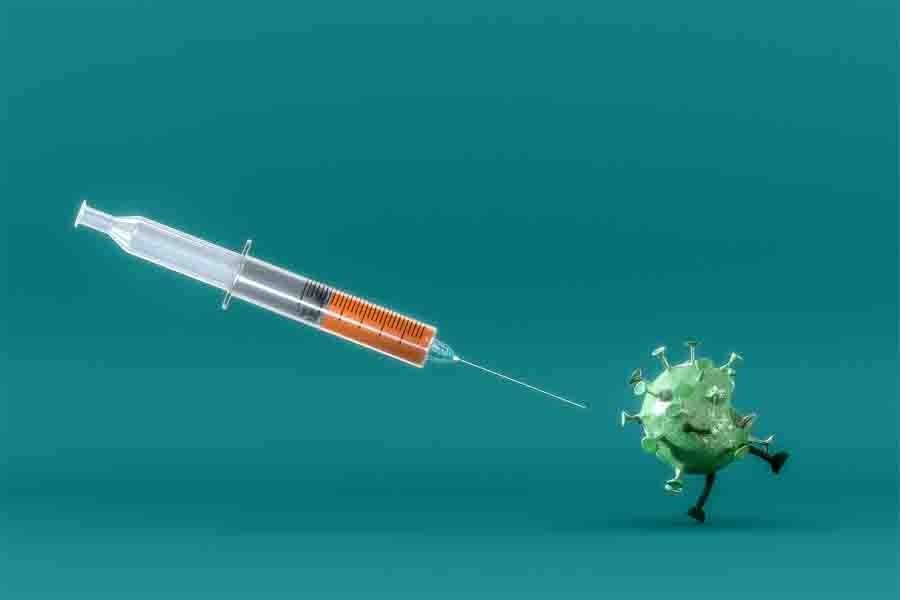
This Week, the Food and Drug Administration granted emergency authorization to two new vaccines Corbevax and Covovax and the drug Molnupiravir for treatment of adult patients with Covid-19, a major milestone that promises to revolutionize the fight against the virus. With this approval, there are now eight Covid vaccines in the country that have gotten EUA. Six Covid-19 vaccines have already received EUA from the Indian pharma regulator: Serum Institute’s Covishield, Bharat Biotech’s Covaxin, Zydus Cadila’s ZyCoV-D, Russia’s Sputnik V, and the US-made Moderna and Johnson and Johnson. Corbevax The Corbevax vaccine, developed by the Hyderabad-based firm Biological-E, is India’s first indigenously developed RBD protein sub-unit vaccine against #COVID19. A protein subunit vaccination employs pieces of the virus to elicit an immune response rather than the entire virus. The subunit vaccination in this case comprises a safe S protein. When the immune system recognises a protein, antibodies are created to fight the infection when it occurs. Texas Children’s Hospital Centre for Vaccine Development created the antigenic portions of the virus, which were in-licensed from BCM Ventures (Baylor College of Medicine). Biological E wants to start producing 75 million doses per month in January and expects to reach 100 million doses per month by February. At 33 research sites across India, Biological E has completed Phase III studies on over 3,000 participants. According to the report, neutralising Delta strain antibody titres “indicates a vaccination efficacy of more than 80% for the prevention of symptomatic illnesses based on published trials.” Covavax Covavax is a protein subunit vaccine made by Serum Institute of India (SII), however it uses recombinant nanoparticle technology. Novavax, a company based in the United States, developed it. Insect cells are used to generate non-harmful copies of the spike protein, which is then removed and assembled into virus-like nanoparticles. Novavax has made use of an immune-boosting substance (adjuvant). HPV and the Hepatitis B vaccine both employ the same technology It is given intramuscularly in a two-dose regimen on Days 0 and 21. The vaccine is available in 0.5 mL (single dose) and 5 mL (10 doses) vial packs and is kept at 2 to 8 degrees Celsius. In two phase 3 studies in the UK and the US/Mexico, the vaccine showed 96.4 percent effectiveness against the original strain, 86.3 percent against Alpha, and 89.7% overall (UK), as well as ‘100 percent protection against moderate and severe illness’ with 90.4 percent protection. Molnupiravir Molnupiravir, a medication created by Ridgeback Biotherapeutics in conjunction with Merck in the United States, will now be produced by 13 Indian pharmaceutical companies. In India, the medicine has been approved for the treatment of people with Covid-19 who “have a high risk of disease progression.” Molnupiravir is an antiviral tablet that stops the SARS-CoV-2 virus from multiplying further by inserting faults into its genetic coding. Molnupiravir is used orally in four 200-mg capsules every 12 hours for five days, totaling 40 capsules. The medication will be produced in India by 13 different companies. The medicine will be manufactured by Dr. Reddy Laboratories, Cipla, Natco Pharma, Optimus Pharma Pvt Ltd, Stride, and Hetero, among other prominent pharmaceutical companies.
Joker – Dangerously appearing a true Villain in Android

History of Joker – The Malware The Joker malware is a ransomware that was first reported in 2018 and targeted Android devices. The malware classifies itself as a variant of the Serval Ransomware, which is also known as the Android Ransomware. It has been found to create copies of important files and demands a ransom of $50 in order to get them back. This malware is very hard to detect because it encrypts itself from the inside out, meaning it does not have any external evidence on its application until it executes. It also hides its processes from being seen by the user, meaning that regular installation detection tools will not be able to tell if a device has been infected or not. The Joker malware is a new type of ransomware that encrypts the user’s data and demands for ransom in exchange for the decryption key. The developers of this malware are still unknown, but what they want is clear – to make money. Joker malware is a form of Android malware that takes screenshots of the phone, monitors text messages, records calls, and then sends this information to a remote location. It also tries to send any sensitive banking information the user inputs. Joker Malware was first discovered in December 2013 and can be rooted in Samsung Galaxy S3 devices. Appearance in 2021 This malware first appeared in September 2020, when it was discovered in 24 Android apps. Before Google banned them, the apps had accumulated over 500,000 downloads. At this time, the malware has infected people in over 30 nations throughout the world, including the United States, Brazil, and Spain, among others. It was discovered in eight new apps in June 2021. All of those apps had been withdrawn from the Google Play Store by the time the article was published. The software is mainly shared by scanner, wallpaper, and message apps that wind up in the Play Store, according to the research. In August 2021, the ‘Joker’ malware debuted shortly after the previous event. This time, it was discovered in 16 applications available on the Google Play Store. Again, the majority of the apps were PDF scanners, SMS apps, and communications apps in general. It was unclear how many people downloaded those apps before they were removed this time. A Squid Game-related app with Joker malware was discovered in the Google Play Store in October 2021. “Squid Wallpaper 4K HD” was the name of the programme, which was withdrawn after roughly 5,000 people downloaded it. The malware reappeared in November 2021. It was discovered in seven apps on the Google Play Store. Over 50,000 people have downloaded one of them. The Joker reappeared in December of 2021. This time, it was found in an app that had over 500,000 downloads (at the time it was deleted) and was available on the Google Play Store. ‘Color Message’ is the name of the app. New Version The Joker virus has reappeared in the Google Play store. The Joker malware affected multiple apps last year, as well as earlier this year in February, which Google later banned from the Play store. The malware has returned to the Google Play store and has infected several apps that you may have installed on your phone. As many as 11 apps have been removed from the Google Play store. Among the affected apps are: com.imagecompress.android com.relax.relaxation.androidsms com.cheery.message.sendsms com.peason.lovinglovemessage com.contact.withme.texts com.hmvoice.friendsms com.file.recovefiles com.LPlocker.lockapps com.remindme.alram com.training.memorygame The Joker malware steals money from victims by inadvertently enrolling them in premium memberships. It collects the victim’s SMS messages including OTP to validate purchases and then simulates user interaction with adverts without their awareness. This means that the user may be unaware that they have been signed up for a paid membership service and that money has been debited from their account. “Joker keeps making its way into Google’s official application market as a consequence of modest tweaks to its code, allowing it to sneak past the Play store’s security and vetting obstacles,” according to Check Point. Two new Joker Dropper and Premium Dialer malware types have been found in the Play Store this time. These were discovered hidden inside “software that appeared to be authentic.” The malicious actor behind Joker “took an old approach from the traditional PC threat landscape and utilised it in the mobile app market to avoid detection by Google,” according to the research. This time, the Joker virus had two parts: a “Notification Listener service that is part of the original programme, and a dynamic dex file loaded from the C&C server to complete the user’s registration to the services.” Symptoms and Safety Measures Most of the time, based on what we’ve observed thus far, Jokar Make it Sure that you won’t notice anything. Well, you’ll notice the damage whenever you detect a difference in your money, but because this virus acts in the background, it has the potential to cause a lot of harm without your knowing. It will ask for some permissions when you install the programme, but that’s something that every app does. You might find that your device has slowed down a little on occasion, which could be the case with phones with lesser technology. You might also find that new apps appear on your phone, albeit this is uncommon in the app launcher. It will be hidden from your app list if this happens. However, due to several limits in place, this is unlikely. After all, it isn’t how the ‘Joker’ generally works. Downloading new programmes that appear to be shady is not a good idea. As previously stated, this malware typically lurks in apps that purport to be SMS apps, chat apps, PDF scanners, and other similar apps. It’s possible to discover it in image editing programmes and other places. Check the reviews before downloading an app, and if at all possible, avoid downloading apps as soon as they are sent to the Google Play Store. Unfortunately, this will have an impact on the creators, but at the very least, you’ll have more time to make
Lunar Eclips – Going to happen again this Year

The first lunar eclipse of 2021 wil occur on may 26th this will also be the only total lunar eclipse of the year so it is a must-watch for all the sky watchers. The lunar eclipse occurs when the Sun, Earth and Moon align up in a straight line for the Earth’s shadow to fall on the surface of the moon. Due to the Earth’s shadow the moon appears to be slightly reddish in color giving it a name Blood Moon. This time the full Moon will also be a Super Moon. The Orbit of Moon around the Earth is not circular, it is somewhat elliptical, which means that it is closer to the Earth for some time and far for the other time. If the full Moon phase happens to coincide with the time, it is closest to the Earth. This moon is called a super moon. A lunar eclipse can happen only on the night of a full Moon. Lunar eclipses are also known to have predicted Earthquakes. An Earthquake of magnitude 6.7 richter scale occurred on February 9,1971 in the foothills of the San Gabriel mountains in southern California. 15 hours later a total lunar eclipse took place. Many suggested that the alignment of Sun, Earth and the Moon was responsible. It is believed that the Sun and Moon were pulling the Earth in exactly opposite directions on that day, as a result the Earth is expanded into the shape of a rugby ball instead of a sphere. The title and gravitational forces caused by this expansion may have triggered the Earthquake. However any relation is highly inclusive. The total lunar eclipse of may 26 will be visible in Australia, New Zealand, parts of the Western US, Western South America or in Southeast Asia for the duration of 14 minutes. While a partial lunar eclipse will be visible in places like Eastern US, Eastern South America, India, China, Indonesia and Japan. It is totally safe to watch a lunar eclipse with naked eyes and poses no harm whatsoever. An eclipse never comes alone, A solar eclipse always occurs about two weeks before or after a lunar eclipse. For this reason be curious and eager to watch the annular solar eclipse on June 10,2021 Stay safe and Thanks for reading….