In today’s fast-paced and demanding world, we have all been there. You finish a nice lunch at noon, and by 2:00 PM, your eyelids feel like lead.
You might stare at your computer screen, wondering how you will possibly make it through the rest of the workday. While there’s no miraculous shortcut to instant results, understanding what is happening inside your body can change everything.
In this in-depth guide, we’ll explore the intricacies of why this happens and how you can fix it. Let’s look at why that afternoon fog hits you so hard.
Understanding the Afternoon Slump: What Is Postprandial Somnolence?
That heavy, exhausted feeling after eating has a fancy medical name: postprandial somnolence. While mild tiredness can happen because your body sends blood flow toward your stomach to digest, a severe crash is a different story.
Often, a sharp energy drop is driven by a blood sugar spike followed by a sudden dip. Doctors call this reactive hypoglycemia.
When you eat a meal heavy in refined carbs or sugars, glucose floods your bloodstream very fast. Your pancreas responds by releasing a big surge of insulin to clear out that sugar.
Unfortunately, this process often overcorrects itself. It drives your blood sugar levels below your normal baseline, triggering brain fog, intense fatigue, and irritability.
Is the Afternoon Crash Just for People with Diabetes?
A common question we hear is whether this roller coaster only happens to people with diabetes. The short answer is no.
While individuals with prediabetes or type 2 diabetes experience much larger curves, healthy adults routinely experience reactive energy crashes. This usually happens when their meals lack adequate fiber, protein, or healthy fat balance.
Many people try to fix this with coffee or energy drinks. But caffeine only provides a temporary stimulant mask.
It does not address the root metabolic cause. In fact, relying on caffeine paired with sugary snacks can make your glycemic roller coaster worse and spike your stress hormones.
What Is a Normal Blood Sugar Range After Eating?
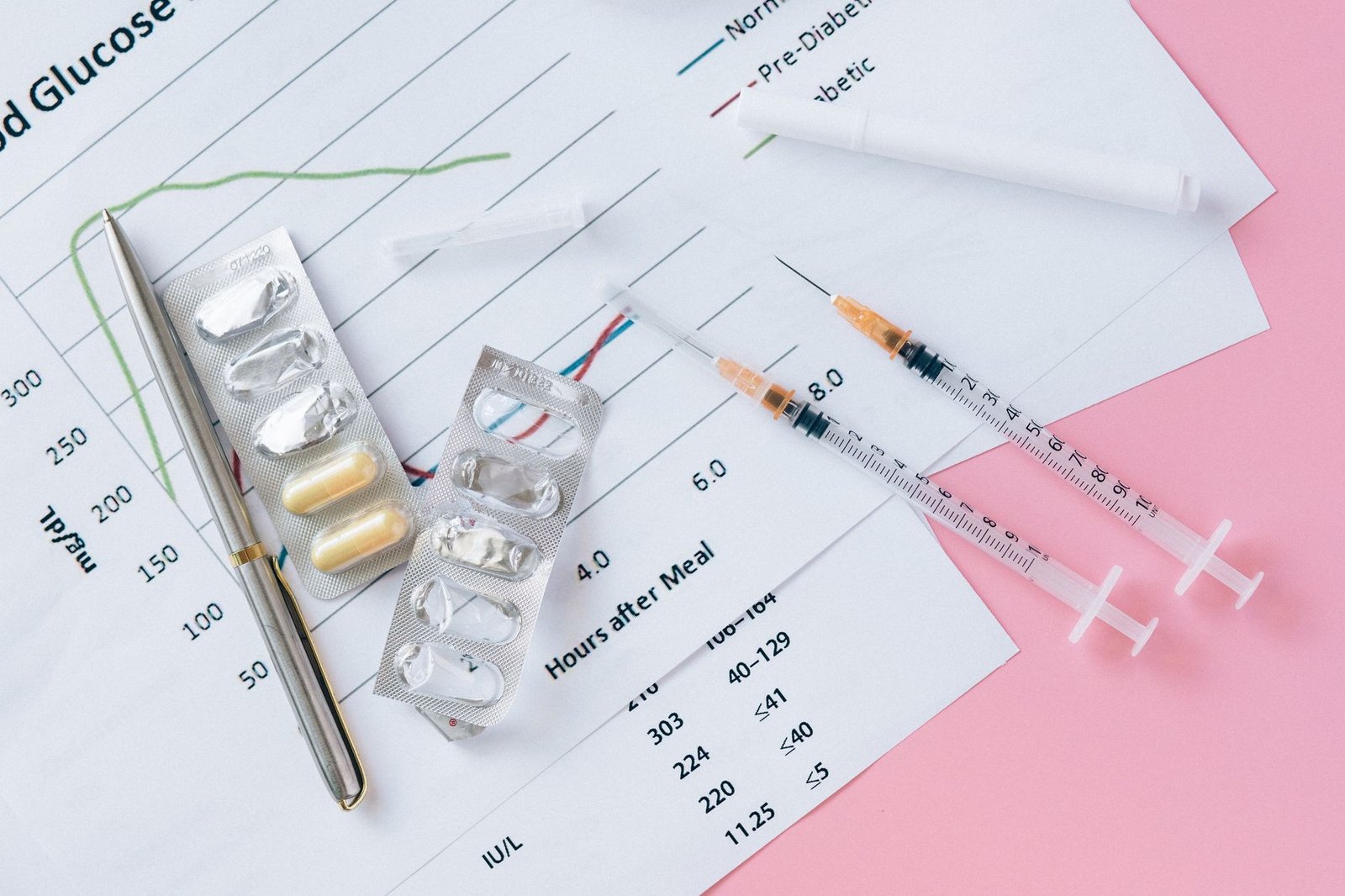
For healthy adults without diabetes, post-meal blood sugar levels generally stay below 140 mg/dL. For those managing diabetes, clinical guidelines from groups like the American Diabetes Association often target under 180 mg/dL one to two hours after a meal.
Over the past couple of years, continuous glucose monitors have exploded in popularity. Everyday health enthusiasts now use these sensors to track their daily habits.
Many people are surprised to see how seemingly healthy meals cause wild sugar swings. These spikes map directly onto their daily 2:00 PM energy crashes.
Repeated, sharp blood sugar spikes place stress on your blood vessels over time. They can accelerate arterial aging and increase your long-term risk of insulin resistance, type 2 diabetes, and other health complications.
Simple Ways to Flatten Your Glucose Curve
Step with me now into the practical side of managing your energy. You do not need to overhaul your entire diet overnight to see results.
Try Food Sequencing
One of the easiest tricks is changing the order in which you eat your food. Try starting your meal with fiber, such as vegetables or a green salad.
Next, eat your proteins and healthy fats. Save your carbohydrates for the very end of the meal.
Fiber creates a slow-moving mesh in your gut that delays how fast your body digests carbs and absorbs glucose. This simple shift significantly flattens your glucose curve.
Add Post-Meal Movement
Another powerful tool is what experts call “exercise snacking.” Taking a short walk, even just two to ten minutes long, within an hour after eating can dramatically blunt a glucose spike.
When your muscles contract, they stimulate special transporters called GLUT4. These transporters pull glucose directly out of your bloodstream without needing insulin to help them.
If you are stuck at a desk and cannot go for a walk, try light isometric movements. You can do simple “soleus push-ups” by repeatedly lifting your heels while seated at your workspace.
Take Control of Your Afternoon Energy
You do not have to accept the daily afternoon crash as a normal part of life. By making small tweaks to your meal order and adding a dash of light movement after lunch, you can protect your energy.
Listen to your body, experiment with these gentle shifts, and watch how much better your afternoons can feel.