
widespread contamination of the environment with plastic waste, posing a severe
threat to ecosystems and human health. Plastics, with their versatile
properties and convenience, have become an integral part of modern life, from
single-use items like bottles and bags to durable products used in various
industries. However, the unintended consequences of plastic’s durability and
improper waste management have led to a global environmental crisis.
Since its inception in the
mid-20th century, plastic production has skyrocketed, reaching over 368 million
metric tons in 2019 alone. The ease of manufacturing, affordability, and
lightweight nature of plastics have contributed to their pervasive use across
industries and daily life. Unfortunately, this massive production has resulted
in large quantities of plastic waste that take centuries to decompose.
Consequently, plastic pollution has become one of the most pressing
environmental challenges of our time.
Causes and Sources of Plastic
Pollution
to plastic pollution is the widespread use of single-use plastics. Items such
as plastic bags, water bottles, straws, and food packaging are designed for
single-time use but persist in the environment for hundreds of years. The
convenience and affordability of these disposable products have led to their
ubiquitous presence in our daily lives. Unfortunately, many of these items are
improperly disposed of, ending up in landfills, rivers, and oceans. Lack of
proper waste management infrastructure is a significant factor contributing to
plastic pollution. In many regions, waste collection, recycling, and disposal
systems are insufficient or nonexistent. As a result, a considerable portion of
plastic waste ends up as litter in the environment. Even in areas with waste
management facilities, littering remains a prevalent issue, with individuals
carelessly discarding plastic items on streets, beaches, and natural habitats.

Micro plastics, tiny particles
less than 5mm in size, pose a unique and invisible threat to the environment.
They are created through the fragmentation of larger plastic items, such as
bottles and bags, or are intentionally manufactured in some cosmetic and
personal care products. These tiny particles can be found in water bodies,
soil, and even in the air we breathe. Microplastics not only contaminate
ecosystems and endanger marine life but also have the potential to enter the
food chain and pose risks to human health. Plastic pollution is also driven by
industrial and commercial activities. Industries that produce and utilize
plastic materials generate significant plastic waste during manufacturing
processes. Additionally, commercial sectors such as agriculture, construction,
and fishing contribute to plastic pollution through the use and improper
disposal of plastic products and materials.
Improper disposal of plastic
waste in landfills leads to the gradual release of toxic chemicals from the
plastics into the soil and groundwater. When plastics are incinerated, they
release harmful pollutants into the atmosphere, contributing to air pollution
and climate change.
Impact on Ecosystems and Wildlife
Plastic pollution has taken a
significant toll on marine life, particularly in the world’s oceans. Marine
animals, such as seabirds, sea turtles, seals, and whales, often mistake
plastic debris for food or become entangled in plastic materials. Ingestion of
plastics can lead to internal injuries, digestive blockages, and malnutrition,
ultimately resulting in injury or death. Furthermore, plastic waste can smother
coral reefs and disrupt vital habitats, diminishing biodiversity and affecting
entire marine ecosystems.
the brunt of plastic pollution, terrestrial ecosystems are not exempt from its
effects. Littered plastic waste accumulates on land and poses hazards to
wildlife, including birds and small mammals. Plastic fragments, carried by wind
and water, contaminate soil, rivers, and lakes, leading to ecological
imbalances and negatively impacting plant growth and soil health.

beyond wildlife and ecosystems, as it enters the food chain and poses potential
risks to human health. Small marine organisms ingest micro plastics, which are
then consumed by larger fish. These plastic particles accumulate as they move
up the food chain, ultimately reaching humans who consume seafood. Studies have
detected micro plastics in seafood and drinking water, raising concerns about
the long-term health implications of plastic ingestion on humans.
chemicals, some of which are known to be toxic and harmful. As plastics break
down in the environment, they release these chemicals, leading to chemical
contamination of soil and water. This leaching of toxins not only threatens
aquatic and terrestrial organisms but also poses potential risks to human
populations, especially in areas where plastic pollution is most severe.
challenges to industries dependent on healthy marine ecosystems. Fisheries may
suffer from declining fish populations due to plastic ingestion, affecting food
security and livelihoods of coastal communities. Additionally, the presence of
plastic debris on beaches and in coastal waters can deter tourists, impacting
economies reliant on tourism revenue.
Solutions and Mitigation
Strategies
and Promoting Sustainable Alternatives
collaborate to raise awareness about the detrimental effects of plastic
pollution on the environment and human health. Educational campaigns can inform
the public about the importance of reducing plastic consumption and encourage
behavioral changes.
Implementing bans or restrictions on
single-use plastics, such as plastic bags, straws, and Styrofoam, can
significantly reduce plastic waste. Governments can also introduce extended
producer responsibility (EPR) regulations, holding manufacturers accountable
for their products lifecycle and promoting eco-friendly packaging.
Encourage businesses to adopt
sustainable packaging alternatives like biodegradable materials, compostable
plastics, and reusable containers. Innovations in packaging design can help
minimize waste generation and support a circular economy approach.
B. Implementing Effective Waste
Management and Recycling Systems
collection and recycling infrastructure to ensure that plastic waste is
properly managed. Public and private sectors can work together to establish
efficient recycling systems that incentivize proper disposal and recycling
practices.
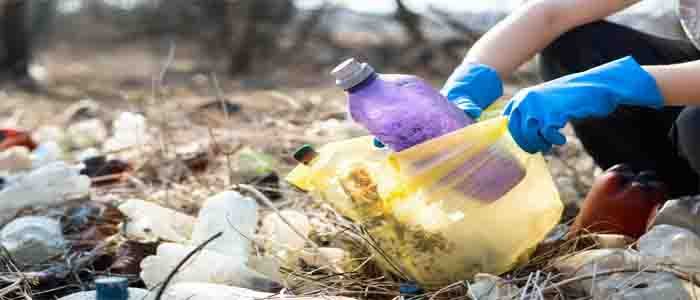
Engaging communities in clean-up
initiatives can help prevent plastic waste from entering waterways and natural
habitats. Local clean-up campaigns, organized by environmental organizations or
government bodies, can foster a sense of responsibility and ownership among
citizens.
Explore waste-to-energy
technologies that can convert non-recyclable plastic waste into energy,
reducing landfill burden and providing an alternative energy source.
C. Global Initiatives and
Policies to Combat Plastic Pollution
addressing plastic pollution through international agreements and conventions.
For instance, the United Nations’ Clean Seas campaign aims to combat marine
plastic pollution by engaging governments, businesses, and citizens globally.
Businesses can play a vital role in combating
plastic pollution by adopting sustainable practices and reducing their plastic
footprint. Corporate responsibility and environmental commitments can set
industry standards and influence consumer behavior positively.
D. Individual and Community
Efforts for a Plastic-Free Future
against plastic pollution by making conscious choices to reduce plastic use,
recycle properly, and support businesses with eco-friendly practices. Participate in or organize community clean-up
events, plastic-free challenges, and educational workshops to raise awareness
and inspire collective action. Encourage research and innovation in sustainable
materials and waste management technologies to drive forward-thinking solutions
to plastic pollution.
crisis that demands immediate action from all sectors of society. By adopting a
multi-pronged approach that includes reducing plastic consumption, improving
waste management systems, fostering international collaboration, and empowering
individuals and communities, we can collectively combat plastic pollution.
Together, we can create a sustainable, plastic-free future that safeguards the
health of our ecosystems, wildlife, and ultimately, the well-being of humanity.