
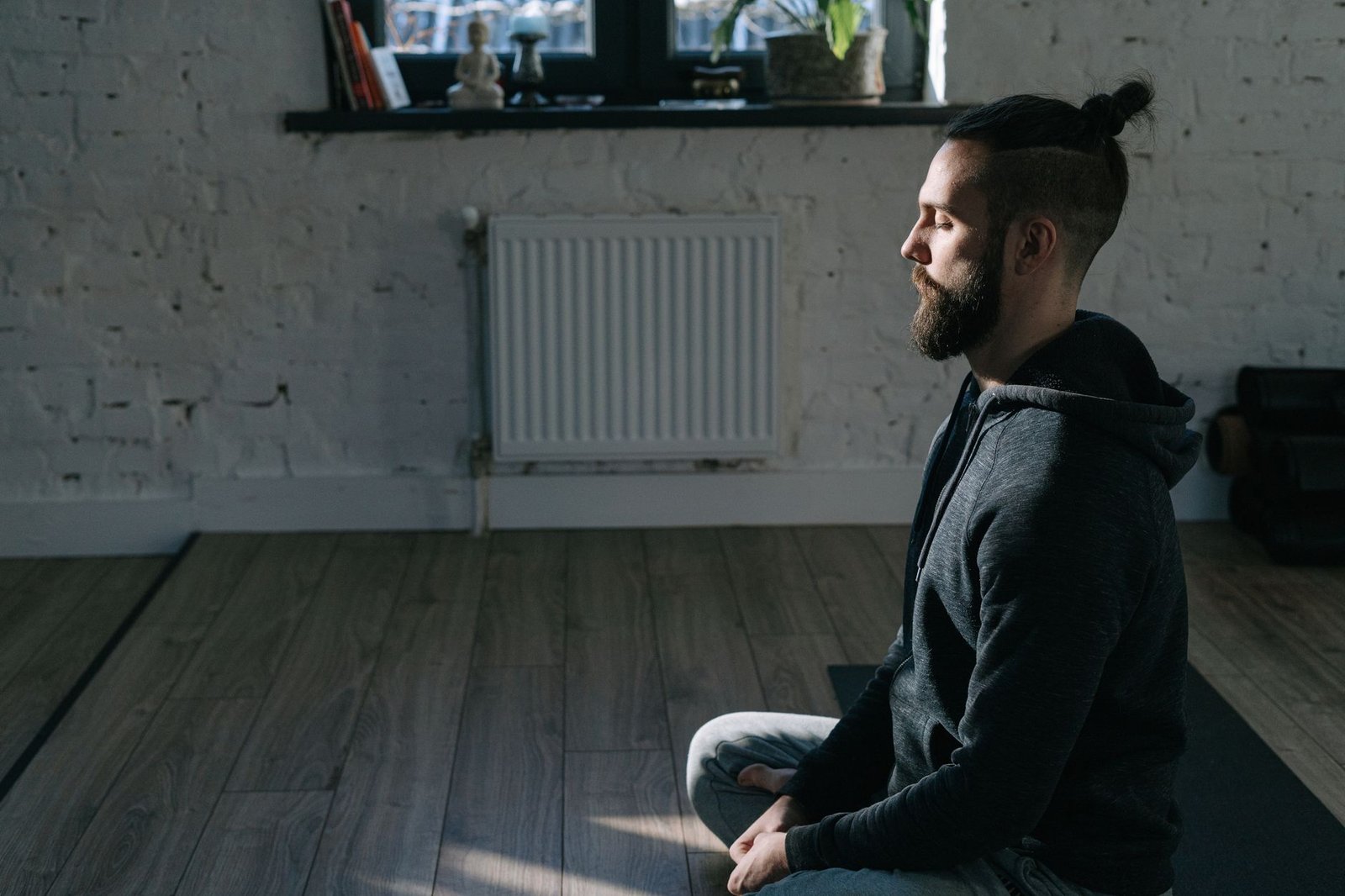
Hey there, curious souls and fellow seekers of inner calm! Have you ever sat down on a fancy cushion, closed your eyes, and immediately felt your brain turn into a screaming rock concert?
You are definitely not alone. Studies and wellness insights show that a huge percentage of people who try traditional mindfulness meditation give up within the first few sessions. If you have high physical energy, or deal with anxiety, forced stillness feels less like peace and more like torture.
So, what happens when you hate meditating, but you still desperately want a moment of peace? Let us look at why silent sitting drives you crazy and how you can find your calm in totally different ways.
Why Does Your Brain Feel So Loud in Silence?
When you stop multitasking and finally sit in silence, your brain finally gets the space to process all your built-in stress. Silence does not actually create thoughts; it just unmasks the background noise that was already there all day long.
According to Psychology Today, many people struggle because of a simple myth: the idea that meditation means you must stop thinking entirely. But the brain’s default network naturally generates thoughts.
If you physically cannot sit still for two minutes, your body is telling you something important. Forcing stillness triggers a fight-or-flight response instead of relaxation, proving you need a different path.
Forget the Cushion: Active Alternatives to Quiet Your Mind
Good news! You do not need to sit cross-legged to find your center. Wellness trends heavily favor low-barrier, active practices that fit right into a busy day.
1. The 5-Minute Aerobic Reset
Instead of forcing your body to stay still, burn off excess cortisol with movement. Do five minutes of high-intensity interval training, a brisk walk, or jumping jacks.
Physical exertion instantly lowers nervous system tension. As noted in discussions on Reddit wellness communities, getting your body moving is often the fastest ticket to a clear head.
2. Sensory Anchoring During Chores
You can turn everyday chores into a mindfulness drill. Whether you are washing dishes or folding laundry, force your brain to focus on tactile data.
Notice the temperature of the water, the scent of the soap, and the texture of the fabric. This kind of active engagement keeps your hands busy while your thoughts settle down.
3. Somatic Breathwork
If passive breathing makes you anxious, try a structured cadence technique like box breathing. Inhale for four seconds, hold for four, exhale for four, and hold for four.
Giving your brain a strict counting pattern stops it from drifting into scary anxiety loops. It acts like training wheels for your breath.
4. Mindful Walking Without Headphones
Take a walk outside without your phone or music blasting in your ears. Let your eyes scan your environment and intentionally notice colors, textures, and sounds.
As The Guardian points out, getting out into nature helps ground overactive thoughts while keeping your body pleasantly occupied.
Embrace Your Own Path to Calm
Catching yourself thinking when you try to focus *is* the workout. You do not need to fit into a rigid box to find your version of inner peace.
Try out an active alternative today and see what clicks for your unique mind and body. Your mental calm is waiting—no silent cushion required.