Introduction: The Ultimate Cosmic Question
This question has been posed for centuries, if not since the beginning of our known existence. When we look up at the starry night sky, it feels almost impossible that we are completely alone in this massive universe.
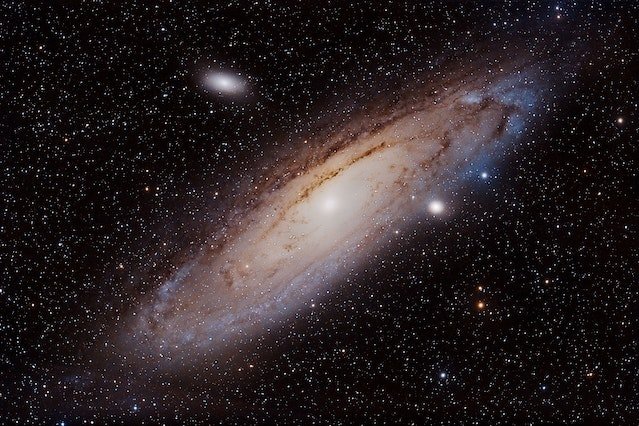
Our Milky Way galaxy alone holds over 100 billion stars. Many of these stars have rocky planets sitting right in their habitable zones, making it mathematically impossible for us to be alone in this universe.
Yet, despite decades of searching with radio telescopes and deep-space sweeps, we have heard nothing back. This mysterious contradiction is what scientists call the Fermi Paradox, and it continues to puzzle us today.
The Birth of a Paradox
For many years, one of the most intriguing tales out there has been the story of how this paradox started. Back in the summer of 1950, famous physicist Enrico Fermi was eating lunch with a few colleagues at the Los Alamos National Laboratory.
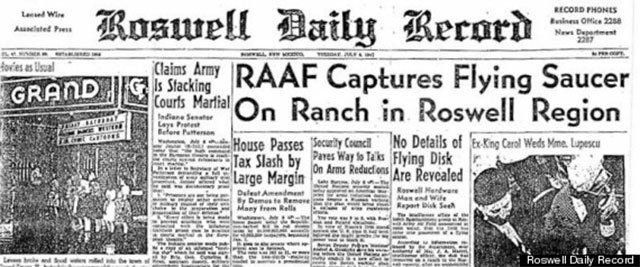
While chatting about recent flying saucer reports and the speed of light, Fermi suddenly blurted out a very simple question. He asked, “Where is everybody?”
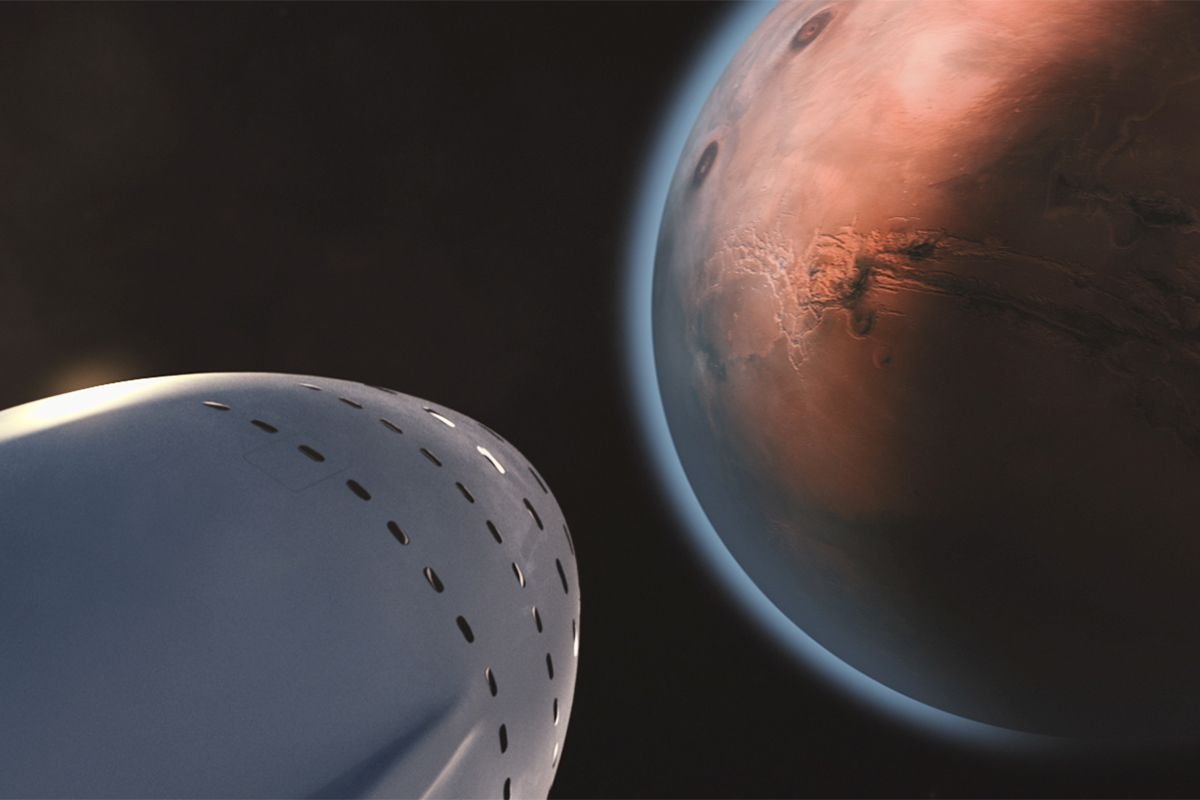
He realized that if any advanced civilization used even basic space travel, they could cross our entire galaxy in just a few million years. Because the universe is billions of years old, someone should have visited or signaled us by now.
Crunching the Numbers: The Drake Equation
An intriguing narrative developed rapidly in the scientific community during the 1960s to help solve this puzzle. Radio astronomer Frank Drake created a famous formula to estimate how many active, communicative civilizations might exist in our galaxy.
This formula multiplies several factors together, such as the rate of star formation, the number of planets with life, and how long those civilizations actually survive. For a long time, most of these variables were just wild guesses.
Today, modern astrobiology is finally turning these wild guesses into real, measurable science. By studying distant worlds, we are learning more about the building blocks of life every single day.
Modern Astrobiology and the Search for Answers
Thanks to amazing tools like the James Webb Space Telescope, our view of the cosmos has changed forever. We can now look at the atmospheres of distant planets to search for signs of life, known as biosignatures.
Researchers are paying close attention to fascinating places like K2-18 b, a distant world that might be covered in a global ocean. These discoveries help us fill in the missing pieces of Frank Drake’s famous equation.
Even with all this new technology, the sky remains quiet. This brings us back to the burning question of why we still have not found any neighbors.
Popular Solutions to the Fermi Paradox
Scientists and thinkers have come up with several wild ideas to explain the great cosmic silence. Some suggest that intelligent life destroys itself shortly after discovering nuclear or advanced technology.
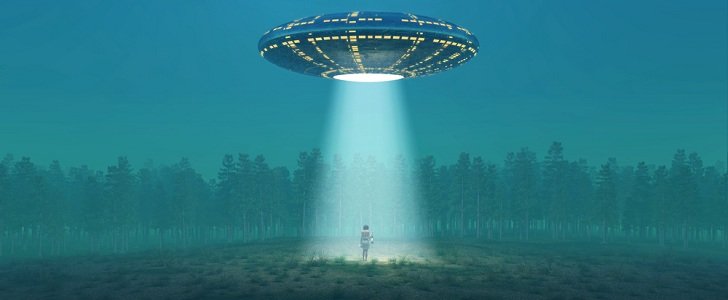
Others propose the “Zoo Hypothesis,” which suggests that advanced aliens know we are here but purposely leave us alone to develop naturally. It feels a bit like watching animals in a protected wildlife park.
Then there is the terrifying “Great Filter” theory, which argues that civilizations hit a wall they cannot overcome, wiping them out before they can explore the stars.
FAQ
What is the Fermi Paradox in simple terms?
It is the contradiction between the high probability that alien life exists and the total lack of evidence or contact from them.
Who came up with the Fermi Paradox?
Physicist Enrico Fermi casually asked the famous “Where is everybody?” question during a lunch break in 1950.
Are we any closer to finding alien life?
Yes! Modern telescopes can now analyze the atmospheres of distant exoplanets for signs of life better than ever before.
Conclusion
The mystery of why we haven’t found intelligent extraterrestrial life remains one of the greatest puzzles of our time. Whether we are truly alone or simply waiting for the right moment to make contact, our journey into the cosmos has only just begun.