
In today’s fast-paced and
demanding world, stress and anxiety have become pervasive issues that impact
the well-being of millions. The constant pressures of work, personal life, and
the relentless digital connectedness can leave individuals feeling overwhelmed
and mentally exhausted. While stress and anxiety are natural responses to
life’s challenges, chronic levels of these feelings can take a toll on our
physical and mental health. In the quest for relief, many individuals have
turned to meditation as a powerful and effective tool to find inner calm,
manage stress, and alleviate anxiety.
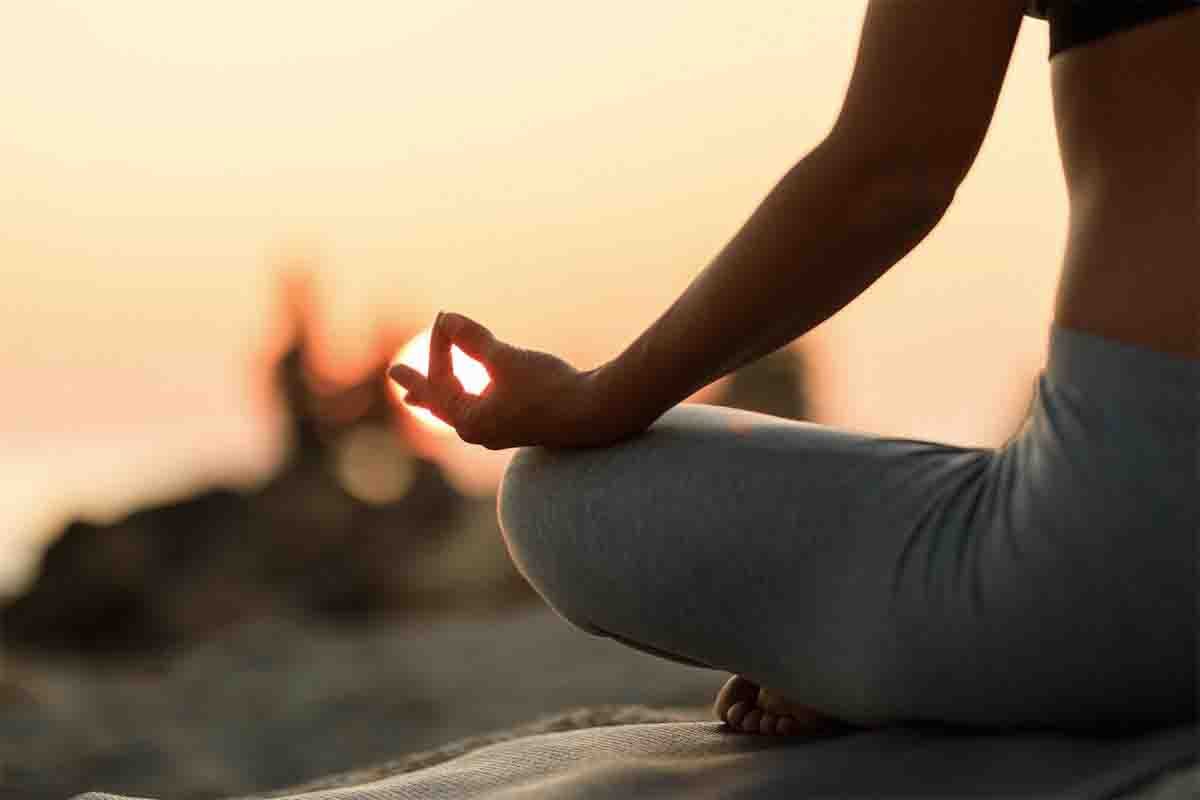
Meditation is an ancient practice
that has been cultivated and refined over thousands of years. Rooted in various
spiritual and cultural traditions, meditation involves training the mind to
focus and redirect thoughts. It encourages practitioners to be present in the
moment, letting go of distractions and worries about the past or future.
The essence of meditation lies in
cultivating mindfulness and awareness. It is not about emptying the mind of
thoughts, but rather observing them without judgment and gently guiding the
mind back to a chosen point of focus, such as the breath or a specific mantra.
The growing interest in
meditation as a stress and anxiety relief tool is supported by a substantial
body of scientific research. Numerous studies have demonstrated the positive
impact of meditation on mental health, showing that regular practice can result
in the following benefits:
1. Stress Reduction: Meditation
activates the body’s relaxation response, which helps to counteract the effects
of the stress response. By promoting a sense of calm and tranquility,
meditation helps lower cortical levels, the hormone associated with stress.
2. Anxiety Management: Through
regular practice, meditation can help individuals become more aware of their
thought patterns and emotional reactions. This increased self-awareness enables
them to manage anxiety-inducing thoughts and break free from the cycle of
worry.
3. Enhanced Emotional Well-Being:
Meditation fosters a sense of emotional stability and resilience. It can reduce
symptoms of depression and increase feelings of happiness and contentment.
4. Improved Focus and
Concentration: The practice of meditation strengthens the mind’s ability to
sustain attention and concentrate on tasks, leading to increased productivity
and effectiveness in daily life.
5. Better Sleep: By promoting
relaxation and reducing anxiety, meditation can lead to improved sleep quality
and better overall rest.
Different Types of Meditation for
Stress and Anxiety Relief
Meditation comes in various
forms, each with its unique techniques and approaches. It is essential to explore
and find a style of meditation that resonates with individual preferences and
goals. Some popular meditation practices for stress and anxiety relief include:
<a>Mindfulness
Meditation: Involves paying non-judgmental attention to the present moment,
acknowledging thoughts, feelings, and sensations without attachment or
resistance.
<b>Guided
Meditation: Involves listening to a meditation instructor or recording that
guides participants through a specific meditation practice, often focusing on
relaxation and visualization.
<c>Loving-Kindness
Meditation: Focuses on generating feelings of compassion and love towards
oneself and others, which can be particularly helpful in reducing feelings of
isolation and fostering a sense of connection.
<d>Transcendental
Meditation (TM): A form of mantra meditation that involves silently repeating a
specific word or phrase to calm the mind and achieve a state of deep
relaxation.
<e>Body
Scan Meditation: Involves systematically scanning the body to cultivate
awareness of physical sensations and release tension.
Incorporating meditation into
daily life doesn’t require elaborate rituals or long periods of time. Even a
few minutes of daily practice can yield significant benefits. Here are some
tips to get started:

A. Find
a Quiet Space: Choose a quiet and comfortable space where you won’t be
disturbed. It could be a corner in your home, a park, or any tranquil setting
that allows you to focus without distractions.
B. Set
Realistic Goals: Start with short meditation sessions, such as 5 to 10 minutes,
and gradually increase the duration as you become more comfortable with the
practice.
C. Be
Consistent: Establish a regular meditation routine, ideally at the same time
each day. Consistency is key to experiencing the full benefits of meditation.
D. Focus
on Your Breath: One of the simplest meditation techniques is to focus on your
breath. Observe the sensation of your breath as it moves in and out of your
body, gently bringing your attention back whenever your mind starts to wander.
E. Be
Patient and Kind to Yourself: Meditation is a skill that develops with
practice. Don’t be too hard on yourself if you find it challenging at first. Be
patient and approach your practice with kindness and self-compassion.
Meditation is a transformative
practice that empowers individuals to find peace and stillness amidst life’s
challenges. As a powerful tool for stress and anxiety relief, meditation offers
a path to inner calm, improved mental well-being, and a more balanced life. By
dedicating a few moments each day to this ancient practice, individuals can
cultivate mindfulness, strengthen their emotional resilience, and embrace the
present moment with a sense of clarity and purpose. Ultimately, meditation
provides a sanctuary of tranquility in a hectic world, guiding individuals
toward a more harmonious and fulfilling existence.