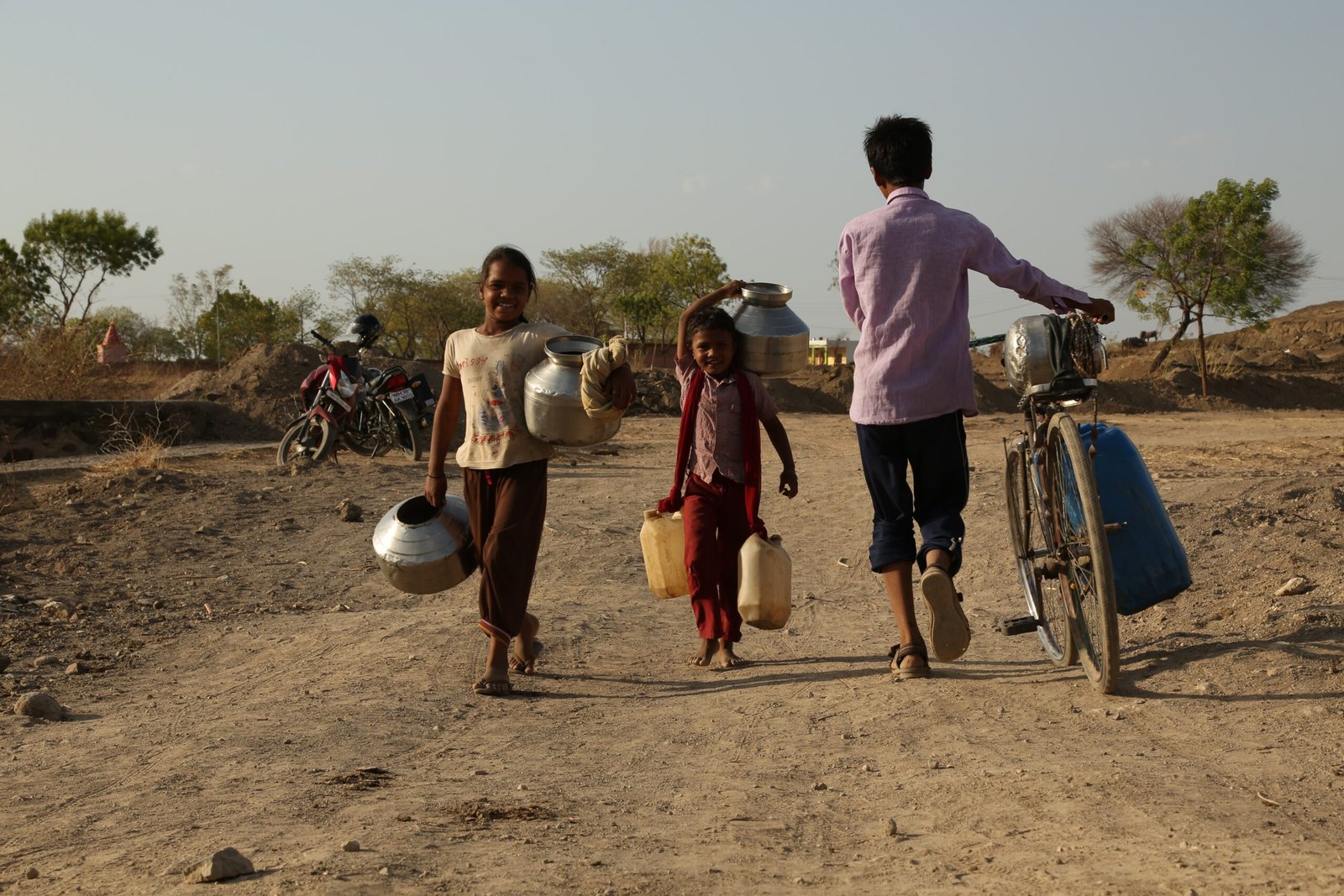
As India moves out of winter and into spring, February often brings with it an increase in temperatures across the country. For many parts of India, February is when the weather starts to get noticeably warmer, while other regions may experience a more gradual change. A combination of higher temperatures and intense sunshine can make the month a challenging time for those living in some of the country’s hotter areas.
The average temperature in India during February ranges from around 20–30°C (68–86°F), with the highest temperatures reaching up to 40°C (104°F). Some of the hottest places in India during February are the cities of Delhi, Jaipur and Hyderabad. In the southernmost states, such as Kerala and Tamil Nadu, temperatures can reach up to 34–36°C (93–96°F).
Humidity is a common factor across India during February and can make the heat feel even more intense. The highest levels of humidity occur in the coastal regions and the states of Gujarat and Rajasthan.
One of the main causes of this increased heat is the dry and dusty winds known as the ‘loo’. These winds blow through the northern parts of India and can increase the temperature by up to rise as it moves closer to the equator.
As the temperature continues to rise, the health risks associated with excessive heat must not be underestimated. Heat-related health problems can range from mild discomfort to serious medical conditions such as heat exhaustion and heat stroke. Those who are prone to allergies may also find that their symptoms worsen in the heat. It is important for people to take precautions to protect themselves from the sun, such as wearing light clothing and using sunscreen, and to stay hydrated.
In addition to the heat, February can also bring with it dust storms and poor air quality in some areas. This can be especially dangerous for those with respiratory conditions, so it is important to stay informed and take steps to protect against any potential risks.
Overall, while India’s temperatures can rise significantly during February, there are several measures that can be taken to protect against any potential health risks. By taking the necessary precautions and being aware of the potential risks associated with the heat, people can make sure that they remain safe and healthy during the hot summer months.
As global temperatures rise, India is already feeling the effects of climate change. While February is usually the hottest month of the year in India, this is expected to become more extreme in the coming years as temperatures continue to increase.
The rising temperatures can have a major impact on India’s crops. Crops are especially vulnerable during the hot summer months when the temperatures are highest, and this is compounded by the fact that India is already experiencing longer and more intense droughts. This can result in crop failures, which in turn can lead to food shortages and poor nutrition.
The increasing heat in February is also likely to have an effect on India’s water resources. Higher temperatures can cause water to evaporate more quickly, leading to water shortages and an increased risk of drought. This can be especially problematic in areas that are already prone to water shortages, such as the Thar Desert in Rajasthan.
Overall, while India’s temperatures can rise significantly during February, there are several measures that can be taken to protect against any potential health risks. By taking the necessary precautions and being aware of the potential risks associated with the heat, people can make sure that they remain safe and healthy during the hot summer months. the increasing heat in India during February is a cause for concern and highlights the need for urgent action to tackle climate change. As temperatures continue to rise, it is important that India takes steps to protect its crops, water resources and people from the effects of climate change.