Introduction to the Urban Air Mobility Dream
For decades, science fiction stories have promised us a skyline filled with quiet, agile commuter pods darting between towering skyscrapers. Today, this futuristic vision of Urban Air Mobility, mostly built around electric Vertical Take-off and Landing aircraft, sits at a very important crossroads.
Market experts predict a massive global market reaching tens of billions of dollars by the early 2030s. Major aircraft makers have already logged thousands of tentative pre-orders for their futuristic flying machines.
However, the real-world physical and lower airspace reality paints a much more cautious picture. In this article, we delve into the fascinating world of advanced aviation, pushing the boundaries of what was once thought possible.
A Brief History of Flying in Cities
The modern push for urban flight is actually the combination of three distinct historical waves of technology. Understanding how we got here helps explain why solving these problems is so tough.
During the helicopter era from the 1950s to the 1990s, rotorcraft proved that vertical flight in cities was mechanically possible. However, commercial use stalled because it cost way too much to operate, made a terrible noise, and had poor safety records in crowded places.
Then came the drone revolution in the 2010s, which brought small sensors, better lithium-ion batteries, and cheap electric motors. This unlocked lightweight, computer-controlled multi-rotor flight and paved the way for modern electric designs.
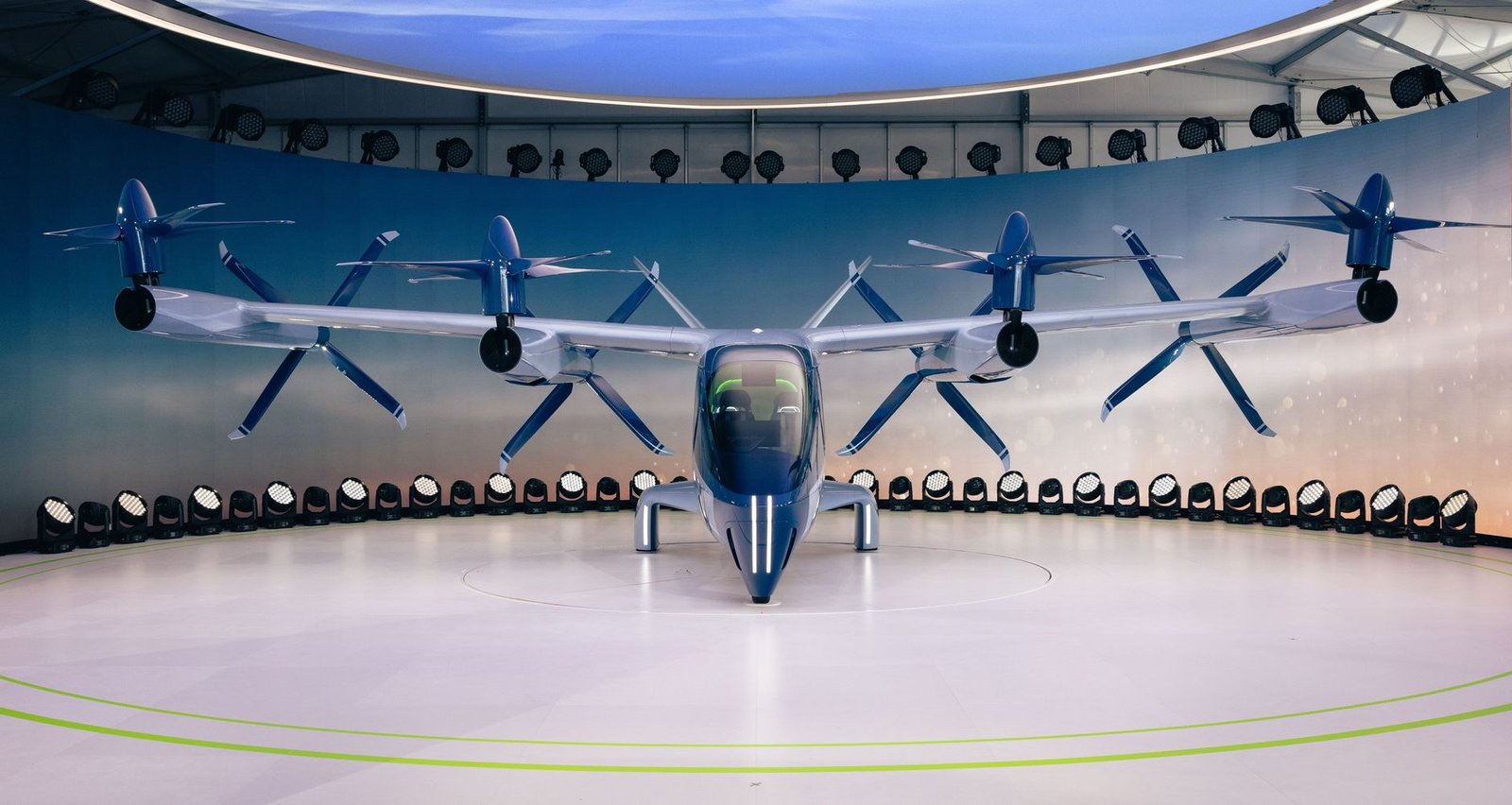
Now, in the 2020s and beyond, regulators and aerospace engineers are focusing on heavily engineered, multi-propeller electric aircraft. These machines are designed to carry two to six passengers across short hops between cities and suburbs.
The Core Technological Bottlenecks
Despite billions of dollars in funding, the timeline for commercial air taxis has slipped over and over again. The main roadblocks are no longer just about money or public excitement; they are deep, stubborn engineering challenges.
In this section, we break down the four biggest hurdles holding back the silent skyway:
- Electrochemical and battery propulsion limits
- Acoustic signatures and annoying noise profiles
- Airspace integration and traffic management
- Vertiport ground infrastructure and power needs
The Battery and Propulsion Problem
The basic physics of vertical flight demand a huge amount of energy. Unlike traditional airplanes that get great lift from their wings during long cruises, or electric cars that roll smoothly on tires, these electric aircraft must burn massive amounts of power just to take off, hover, and climb.
Operating at typical city altitudes requires intense peak power from the power source. If engineers add more batteries to get extra range, they add dead weight, which demands even more energy to lift.
This heavy energy drain stresses the power cells during high-demand moments, leading to significant thermal management challenges. To learn more about how advanced materials are tested, you can read research from the American Chemical Society on modern chemistry.
Tackling the Noise Hurdle
Another massive challenge for urban flight is the sound it makes. Traditional helicopters produce a loud, slapping noise that municipal governments and angry residents quickly reject.
Even with electric motors, spinning rotor blades create complex aerodynamic noises, especially during tricky descents where blades chop through their own disturbed air. Gaining public acceptance means bringing noise levels down to a gentle background hum that blends into normal city traffic.
If air taxis sound like angry lawnmowers, local communities will block them from landing anywhere near downtown areas. Engineers are redesigning blade shapes and propeller counts to solve this tricky acoustic problem.
Integrating into Crowded City Airspace
Flying a few air taxis is easy, but managing thousands of them buzzing around skyscrapers at the same time is a massive traffic nightmare. Traditional air traffic control systems cannot handle that kind of ultra-dense micro-routing.
Engineers are building entirely new digital air traffic management systems to track thousands of autonomous flight paths. These networks must handle GPS signal loss between tall buildings and manage safe handoffs automatically.
Market analysts track these complex shifts closely, and you can explore broader industry trends over at IBA Group for deeper aviation insights.
Building the Ground Infrastructure
You cannot simply land a heavy electric aircraft anywhere on a city street. Cities need specialized landing hubs, known as vertipoints, to handle passengers, baggage, and rapid vehicle charging.
Powering up multiple electric air taxis at the same time demands a massive amount of electricity from the local power grid. Upgrading city grids to handle these high-power charging loads requires serious engineering and huge financial investments.
Conclusion
The dream of urban air mobility remains one of the most exciting transport frontiers of our time. While battery limits, noise concerns, and traffic rules continue to slow things down, brilliant engineers are steadily pushing past these barriers.
As technology continues to advance, we are getting closer to a future where commuting above the city streets becomes an everyday reality. This groundbreaking achievement will mark a significant leap forward in how humanity moves through the world.